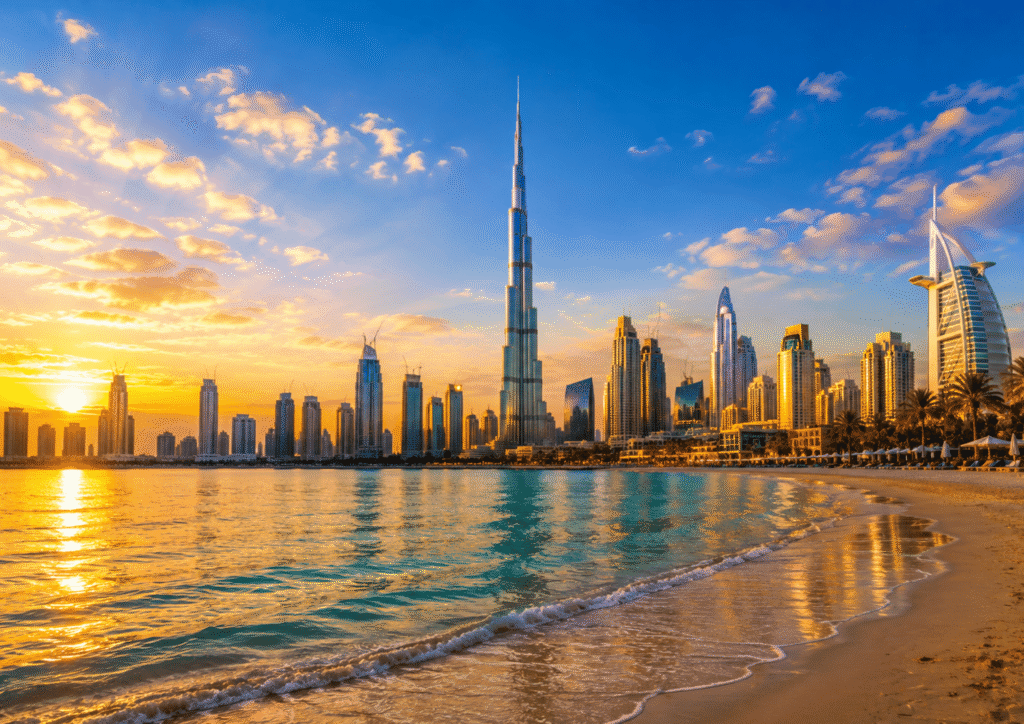
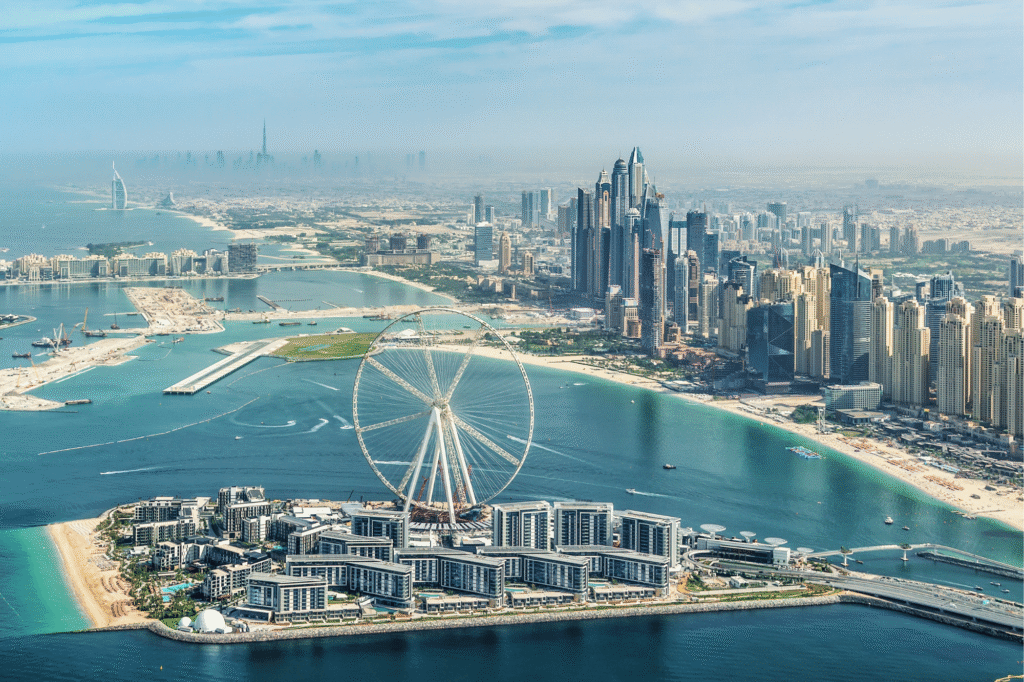
Ask any outbound agent in Mumbai, Delhi or Ahmedabad what generates the most post-trip complaints from Dubai packages. It is rarely the hotel or the desert safari. It is the transfer that arrived 40 minutes late, the coach with a broken air conditioner in July, or the driver who could not find the hotel entrance at Jumeirah.
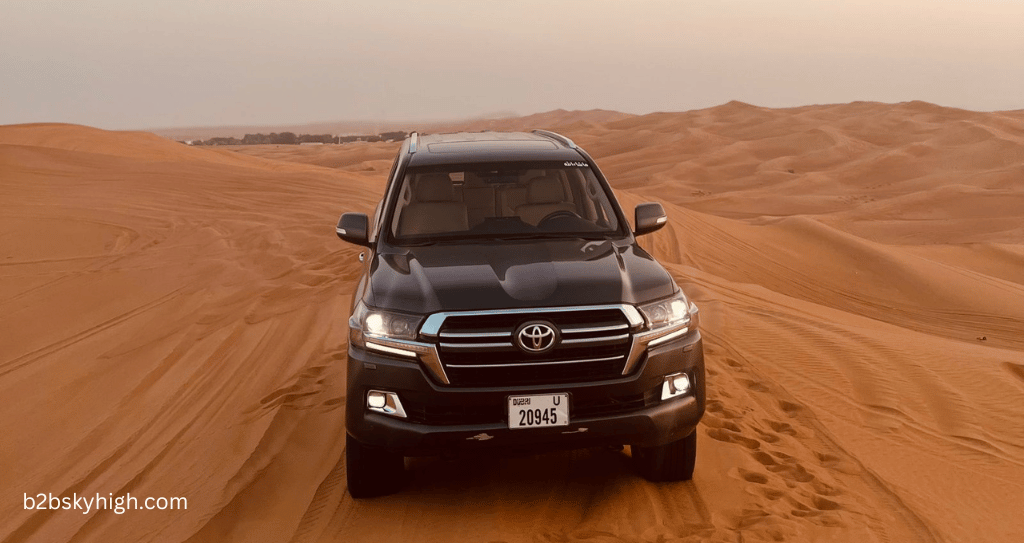
Ground transport is the only service your client touches at every stage of the trip: arrival, every sightseeing day, every hotel change and departure. It is also the service that is most exposed to variables you cannot control from your desk, including traffic on Sheikh Zayed Road, flight delays, Friday congestion, and peak-season fleet shortages during winter and Diwali.
Four things shape how a transport failure lands on your business:
- Driver punctuality. A client standing at DXB Terminal 3 for 35 minutes after a 14-hour journey does not blame the sub-contractor. They blame the agent who sold them the package.
- Vehicle hygiene and condition. Clients photograph everything. A dusty interior or a worn seat cover ends up in a review or a family WhatsApp group.
- Communication. A driver who cannot understand “Atlantis, not Atlantis The Royal” causes delays, and the client’s frustration goes to you.
- Reputation transfer. In B2B travel you sell trust. The booking agent owns the client relationship, so every ground failure is your failure.
This is why a Dubai transport DMC is not a commodity purchase. The right B2B ground operator works as an extension of your operations desk. The wrong one erodes repeat business and pushes you into refunds and goodwill credits that wipe out the margin on the entire booking.
Top Operational Transport Pain Points for Travel Agents and How Sky High Tourism Solves Them
After years of working with agents and tour operators, five problems come up repeatedly. Here is how each one plays out in practice and how we handle it.
Pain Point 1: Hidden Costs and Surprise Bills
The problem. You quote a client based on a supplier’s net rate. After the trip, the supplier sends a supplementary invoice for Salik tolls, parking at Dubai Mall or the Burj Khalifa precinct, and a night surcharge for a 1 a.m. pickup. The cost cannot be recovered from a client who has already paid a fixed package price, so you absorb it.
The Sky High solution. Our B2B net rates are all-inclusive on standard routes. We do not add Salik toll charges or parking fees on top of the quoted tariff. The rate you receive is the rate you invoice against. Where a genuine exception applies, such as a bespoke multi-day itinerary with unusual waiting requirements, we state it in the quotation before you confirm, never after the service.
Pain Point 2: Direct Client Flipping
The problem. Some ground suppliers contact the end client, hand over a business card at drop-off, or offer a “better deal” for the next trip. It happens more often than the industry admits, and it cuts directly into your repeat revenue.
The Sky High solution. We operate a strict 100% white-label policy:
- Unbranded vehicles, with no Sky High signage on the fleet
- Drivers bound by non-disclosure and non-solicitation undertakings
- Meet-and-greet boards and vouchers carrying your agency’s logo and name
- No direct communication with your end clients about pricing, future travel or alternative suppliers
Your client experiences your brand from the moment they clear immigration.
Pain Point 3: Flight Delays and Strict Cancellation Penalties
The problem. Indian carriers into Dubai run late often. A supplier who charges a no-show fee or a fresh waiting-time bill when a flight lands 90 minutes late is charging you for something you cannot control.
The Sky High solution. Our DXB and DWC ground teams track arrivals live. Every airport pickup includes a complimentary 90-minute grace waiting period from the actual landing time, which covers immigration queues and baggage delays. The driver adjusts to the live flight status without you needing to send a revised request.
Pain Point 4: Driver Communication and Cultural Friction
The problem. Indian travellers, especially multigenerational families and corporate groups, expect a driver who can follow instructions in a language they share, understand dietary and prayer-time stops, and deal with a group of 40 people at a restaurant gate without friction.
The Sky High solution. Our chauffeurs are RTA-licensed and fluent in English, Hindi and Urdu. They are trained in route knowledge across Dubai, Sharjah, Abu Dhabi and Ras Al Khaimah, and in how to handle luggage, elderly passengers and large groups. A driver who can say “Sir, the Burj Khalifa fountain show is at 7, let us leave the mall by 6:40” is worth more than any fleet upgrade.
Pain Point 5: Vehicle Breakdown and Peak-Season Fleet Shortages
The problem. From November to March, and again around Eid and New Year, independent operators run short of vehicles, especially 35- and 50-seaters. Agents get last-minute “vehicle not available” messages, or an undersized substitute.
The Sky High solution. Because we manage our fleet directly rather than brokering it, we can commit to a backup vehicle replacement within 30 minutes across Dubai and Abu Dhabi if a vehicle fails in service. For confirmed group movements, we hold reserve capacity in the relevant category during peak weeks.
B2B Fleet and Net Rate Tariff Comparison Matrix
The table below shows indicative 2026 B2B net rates for Dubai, together with a recommended retail price (RRP) at a 20% to 30% agent markup. Rates are per vehicle, not per passenger, and vary by season, timing and route.
Airport transfers (DXB, one way)
| Vehicle Category | B2B Net Rate (AED) | Approx. USD | RRP at 20–30% Markup (AED) | Agent Profit per Transfer (AED) |
|---|---|---|---|---|
| 7-Seater SUV / Minivan | 180 – 230 | $49 – $62 | 216 – 299 | 36 – 69 |
| 14/18-Seater Van | 220 – 280 | $60 – $76 | 264 – 364 | 44 – 84 |
| 30/35-Seater Coaster | 380 – 450 | $103 – $122 | 456 – 585 | 76 – 135 |
| 50-Seater Coach | 500 – 600 | $136 – $163 | 600 – 780 | 100 – 180 |
Full-day charter (10 hours)
| Vehicle Category | B2B Net Rate (AED) | Approx. USD | RRP at 20–30% Markup (AED) | Agent Profit per Day (AED) |
|---|---|---|---|---|
| 7-Seater SUV / Minivan (100 km) | 550 – 680 | $150 – $185 | 660 – 884 | 110 – 204 |
| 14/18-Seater Van | 700 – 880 | $190 – $240 | 840 – 1,144 | 140 – 264 |
| 30/35-Seater Coaster | 1,000 – 1,250 | $272 – $340 | 1,200 – 1,625 | 200 – 375 |
| 50-Seater Coach | 1,400 – 1,750 | $380 – $476 | 1,680 – 2,275 | 280 – 525 |
Other reference rates
- 7-Seater half-day city tour (4 hours): 300 – 380 AED ($82 – $103)
- 50-Seater coach hourly rate: from 170 – 210 AED per hour, minimum 4 hours
Two practical notes on the numbers
- The 20% to 30% figure here is a markup on net cost. As a margin on selling price, it works out to roughly 17% to 23%. Be clear about which one your finance team is tracking.
- Large vehicles look expensive per vehicle but are cheap per head. A 50-seater full-day charter at 1,400 to 1,750 AED costs about 28 to 35 AED per passenger on a full load. For a group of 45, that per-head cost is a small line in the package, which is why coach-based itineraries protect margins on group tours.
Complete Dubai B2B Vehicle Fleet Overview
Choosing the right vehicle matters as much as the price. Under-specifying leaves luggage on a second vehicle or guests squeezed. Over-specifying burns your margin.
VIP Luxury Sedans (Lexus ES / Mercedes E-Class)
- Best for: Honeymooners, senior executives, VIP arrivals, and clients who have asked for “something premium.”
- Capacity: 2 to 3 passengers with 2 to 3 medium suitcases. A fourth passenger is possible but leaves little luggage space.
- Agent tip: Sedans are the easiest vehicle to upsell on a private arrival. The cost difference is small and the perceived quality gap is large.
Executive SUVs (GMC Yukon / Nissan Patrol)
- Best for: Families of 4 to 6, small business delegations, and clients who want space and comfort on longer inter-emirate runs.
- Capacity: 5 to 6 passengers with 4 to 5 large suitcases, depending on the model and seat configuration.
- Agent tip: For Abu Dhabi day trips with a family of five, an SUV is often a better choice than a minivan because of the ride quality on the highway.
Minivans and Family Vehicles (Toyota Sienna / Kia Carnival)
- Best for: Families of 5 to 7 with moderate luggage, and airport transfers where a group wants to stay together.
- Capacity: 6 to 7 passengers with around 4 to 5 large suitcases. A full seven-passenger load with full luggage usually needs a roof bag or a second vehicle.
Minibuses and Vans (Toyota HiAce / Mercedes Sprinter)
- Best for: Groups of 8 to 18, small corporate teams, and multi-family bookings.
- Capacity: 14-seater and 18-seater configurations. Luggage capacity drops noticeably at full passenger load: a 14-seater typically holds around 10 to 12 large suitcases, and an 18-seater holds fewer unless a trailer or separate luggage vehicle is arranged.
- Agent tip: Always ask for the suitcase count, not just the passenger count. A group of 14 with 14 large suitcases needs a different solution than a group of 14 with cabin bags.
Mid-Size Luxury Coaches (30 to 35-Seater Coaster)
- Best for: Mid-size groups, wedding parties, school and college tours, and corporate teams of 20 to 30.
- Capacity: 30 to 35 passengers, with limited under-floor luggage compared to a full coach. Groups with heavy luggage may need a support vehicle.
Large Luxury Coaches (King Long / Yutong 50-Seaters)
- Best for: MICE delegations, large family groups, pilgrimage-style tours, and conference shuttles.
- Capacity: 45 to 50 passengers with a large under-floor luggage bay, typically enough for a full group of 45 with one large suitcase each, and sometimes more on lighter loads.
- Agent tip: For large groups, confirm the coach’s arrival time at the hotel forecourt in advance. Long coaches cannot always access narrow hotel entrances at cruise terminals or older Deira properties, and a walk-in of 100 metres with luggage is a bad way to end a transfer.
General luggage rule: Treat published capacity as a ceiling, not a target. A vehicle that is full on passengers and full on luggage is a vehicle that will cause a complaint.
Logistics and Regulatory Checklist for B2B Proposals
Getting a proposal right means knowing the rules that shape what you can promise. Regulations change, so confirm current requirements with your operator before you put anything in writing to a client.
RTA Regulations
Tourist transport in Dubai is regulated by the Roads and Transport Authority (RTA). In practice this means:
- Vehicles used for commercial passenger transport must be properly licensed and registered for that use.
- Drivers must hold the relevant RTA permits for the vehicle category.
- Operators are expected to maintain insurance, vehicle inspection and roadworthiness standards.
As a travel agent, you should ask any transport supplier to confirm licensing and insurance. A supplier who cannot answer this quickly is a risk to your clients.
Tourism Dirham Considerations
The Tourism Dirham is a per-room, per-night fee charged to hotel guests in Dubai. It is collected by the hotel, not by the transport operator, and it varies by hotel category. It does not belong in a transport quotation, but it does belong in your overall client pricing conversation so that guests are not surprised at hotel checkout.
Driver Duty Hours
A working limit of 12 hours per day for a driver is a sensible planning standard. Beyond that, fatigue becomes a safety and service-quality issue. If your itinerary includes a long day (for example, an early airport pickup followed by a full-day charter and a late-evening dinner transfer), ask for a driver change or split the service into separate bookings rather than stretching one driver across the entire day.
Salik Toll Gate Rules
Dubai’s Salik system is an electronic toll on major roads. Each gate crossing carries a charge, and a full-day itinerary with multiple crossings can add up. Under an all-inclusive net rate, this is the operator’s responsibility. Under a rate that excludes tolls, it is a cost you must forecast. Always confirm in writing whether Salik is included in the rate you are quoting. This single question prevents most billing disputes.
Inter-Emirate Movement
Travel between Dubai, Abu Dhabi, Sharjah and Ras Al Khaimah is routine, and there are no passport checks between emirates. What matters for agents:
- The vehicle and operator should be authorised to operate on the intended route. Confirm this with your supplier when you request a quote.
- Longer inter-emirate journeys such as Dubai to Abu Dhabi or Ras Al Khaimah usually fall outside a standard 100 km day package, so check kilometre allowances and any per-km overage charges.
- Some attractions, such as Ferrari World, Louvre Abu Dhabi and Sheikh Zayed Grand Mosque, have their own coach parking and drop-off rules. Check these when planning group visits.
Pre-Proposal Checklist
- Confirmed vehicle type, seating capacity and luggage capacity
- Salik and parking clearly stated as included or excluded
- Waiting time policy for airport arrivals
- Night transfer surcharge policy, if any
- Kilometre or hour limits on charters
- Backup vehicle commitment
- White-label confirmation on vouchers and signage
Master MICE and Group Transportation Workflow
Corporate movements are where a transport operator either earns long-term trust or loses the account. Here is a workflow that works for conferences, incentive trips and delegate programmes.
Step 1: Collect the Right Data Early
Before you request a quote, gather:
- Arrival and departure flight details for every delegate, ideally in a single spreadsheet
- Hotel allocation, since large groups are often split across several properties
- Luggage estimates, especially for delegates carrying exhibition materials or gifts
- Any VIPs, senior management or guests with mobility needs
- The full event schedule, including welcome dinners and off-site visits
Step 2: Build the Transport Matrix
Create a simple matrix that maps arrival waves, vehicle types and hotels. Airport arrivals in large groups rarely land at the same time. Batch delegates into waves (for example, by flight number and time) and assign vehicles per wave to avoid long waits at the airport.
Step 3: Conference Shuttles
For conference venues such as Dubai World Trade Centre, plan shuttle loops with fixed departure times, clearly marked pick-up points at each hotel and a named coordinator. Assign a lead vehicle and a standby vehicle. Peak morning and evening windows on Sheikh Zayed Road need buffer time built into the schedule, not left to chance.
Step 4: Cruise Terminal Transfers
Cruise arrivals and departures at Dubai’s cruise terminals run to fixed embarkation windows. Plan to arrive well ahead of the cut-off, confirm the exact terminal and gate with the cruise line, and agree a coach staging plan for large groups. Luggage handling for cruise guests tends to be heavier than for hotel guests, so allow extra vehicle capacity.
Step 5: Multi-Hotel Delegate Drop-Offs
When a coach serves several hotels, sequence drop-offs by geography, not by delegate seniority. Provide the driver and the group leader with a printed drop-off order. Delegates should know in advance which stop is theirs. Have a ground coordinator ride the coach for the first drop-off run on large arrivals so that no one gets off at the wrong hotel.
Step 6: Live Monitoring and Escalation
Ask your operator for a named dispatcher and a 24/7 contact number, and share it with your group leader. If a vehicle fails or a flight is diverted, a 30-minute response commitment is only useful if someone is actually answering the phone.
Step 7: Post-Event Reconciliation
Reconcile actual usage against the quotation within a few days. Extra waiting time, unplanned stops and added vehicles should all be documented and agreed while details are fresh.
High-Margin Upsell Opportunities for Travel Agents
Transport is not only a cost line. Done well, it is one of the most profitable additions to a Dubai package. These add-ons carry healthy margins and match what clients often want but do not think to ask for.
- VIP airport meet and greet (Marhaba or similar services). Fast-track assistance through immigration is a strong upsell for families with young children, senior travellers, and business-class passengers. The price is modest and the perceived value is high.
- Luxury stretch limousine charters. Popular for anniversaries, proposals, birthday celebrations and pre-wedding shoots. A few hours of hire converts an ordinary evening into a memorable one.
- Supercar rentals and experiences. Aimed at younger clients and groups of friends. Agents should confirm licence, insurance and deposit conditions with the operator.
- Private yacht transfers. Combine a chauffeured pick-up from the hotel with a Dubai Marina yacht charter, so the client experiences a single seamless service.
- Helicopter transfers and helipad drop-offs. A premium option for honeymooners and high-net-worth clients, with ground transport at both ends.
The best time to sell these is at the proposal stage, not after arrival. A one-line “Optional upgrades” section at the end of your quotation costs nothing and converts more often than agents expect.
Why Partner with Sky High Tourism as Your Preferred Dubai Transport DMC
If you are comparing the best Dubai transport DMC B2B company options for your agency, the differences that matter are structural, not cosmetic.
- Direct fleet ownership and management. We operate the vehicles ourselves, from 7-seater SUVs up to 50-seater luxury coaches. That gives us control over availability, hygiene and quality that a broker cannot match.
- Fast B2B quote turnaround. Share your dates, group size and itinerary, and we target quotations in under 10 minutes during working hours, so you can respond to your client while they are still engaged.
- 24/7 dispatcher support. A real operations desk, not an answering service, covering DXB and DWC arrivals at any hour.
- White-label execution. Your brand stays in front of your client from arrival to departure.
- Transparent rates. All-inclusive net pricing with no surprise Salik or parking surcharges.
- Flexible payment options for Indian partners. We support INR bank transfers as well as AED settlement, which simplifies reconciliation and reduces forex friction for agencies in India.
You can explore the platform and request tariff cards at Sky High Tourism. Whether you handle a few FIT transfers a month or manage several corporate groups a season, the aim is the same: a reliable ground partner who makes your operations desk quieter and your margins more predictable.
Frequently Asked Questions for Travel Agents
1. What is the expected driver tip etiquette in Dubai?
Tipping is discretionary in the UAE and not built into the rate. Many clients tip their driver at the end of a multi-day service or after a particularly helpful transfer. Brief your clients in the pre-departure document so that expectations are clear, and remember that tips are a courtesy, never a requirement.
2. What are the child seat rules in the UAE?
UAE road-safety rules require appropriate child restraints for young children, and children below a certain age or height are not permitted to sit in the front seat. Rules and enforcement details are updated from time to time, so confirm the current requirement. If your client is travelling with an infant or toddler, request a child seat at the time of booking, not at the airport. Availability of the right size is not guaranteed on short notice.
3. Are there border formalities when travelling from Dubai to Abu Dhabi?
No. Dubai and Abu Dhabi are emirates within the same country, and there are no passport checks between them. Clients should still carry their passports and Emirates ID or visa documents as a matter of routine. The main planning factors are journey time and traffic, not border control.
4. Is there a midnight transfer surcharge?
Practices vary between operators, and this is exactly the kind of item that produces surprise bills. Ask for the policy in writing before you confirm. Where a night surcharge applies, it should appear in the quotation, not on a post-trip invoice.
5. What is the baggage allowance per vehicle size?
There is no single fixed rule, because luggage space depends on the vehicle layout. As a working guide: a sedan handles 2 to 3 medium suitcases, an SUV around 4 to 5 large ones, a minivan roughly 4 to 5 with a full passenger load, and a coach can carry a large under-floor load. Always give your operator the number and size of suitcases, not just passenger count, so the right vehicle is assigned.
6. What happens if a client’s flight is delayed?
With live flight tracking and a grace waiting period, the driver adjusts to the actual arrival time. The important step for you is to provide accurate flight numbers at booking. If the flight is cancelled or rescheduled to a different day, notify your operator as early as possible.
7. Can I book transport without disclosing my client’s details?
Yes, and this is the norm in white-label service. Share only what the driver needs: the lead passenger name, contact number for the day of service, flight or hotel details, and group size. Your commercial terms and client relationship stay with you.
8. How should I decide between a 35-seater and a 50-seater for a large group?
Start with the luggage, not the head count. A group of 32 with heavy luggage may fit better on a 50-seater than a 35-seater. Check also whether the hotel or attraction can accommodate a 12-metre coach, since some older or smaller sites cannot.
Conclusion and Soft B2B Call to Action
Ground transport is where Dubai packages are won or lost. Hidden charges, white-label breaches, poor driver communication and fleet shortages are the recurring complaints of agents who have been let down by their suppliers, and each one is preventable with the right partner and the right questions at the quotation stage.
When you evaluate a Dubai ground operator, ask five things: what is included in the rate, who owns the vehicles, how the white-label policy is enforced, what the backup vehicle commitment is, and how quickly you will get an answer when something goes wrong. The operator’s answers will tell you more than any brochure.
If you want to see how this works in practice, register with Sky High Tourism to receive instant B2B transport tariff cards for Dubai and the wider UAE, and build your next proposal on rates you can trust.
Important B2B Tariff & Operational Disclaimer:
All wholesale B2B net vehicle rates, transfer packages, and hourly charter estimates listed in this guide are indicative figures provided strictly for registered travel agents, tour operators, and MICE organizers. Final transport tariffs vary based on seasonal peak surcharges, driver duty schedules, mileage limits, and fuel adjustments. Please connect with the Sky High Tourism transport dispatch team at b2bskyhigh.com to receive live, validated net tariffs for your upcoming group or FIT bookings.