Ladakh is one of the highest-demand domestic destinations for agents in Mumbai, Thane and Navi Mumbai, and one of the least forgiving to operate. A delayed flight, a closed pass, or a single guest with altitude sickness can turn a routine file into a refund dispute. The choice of ground partner decides whether these situations stay manageable or become your problem.
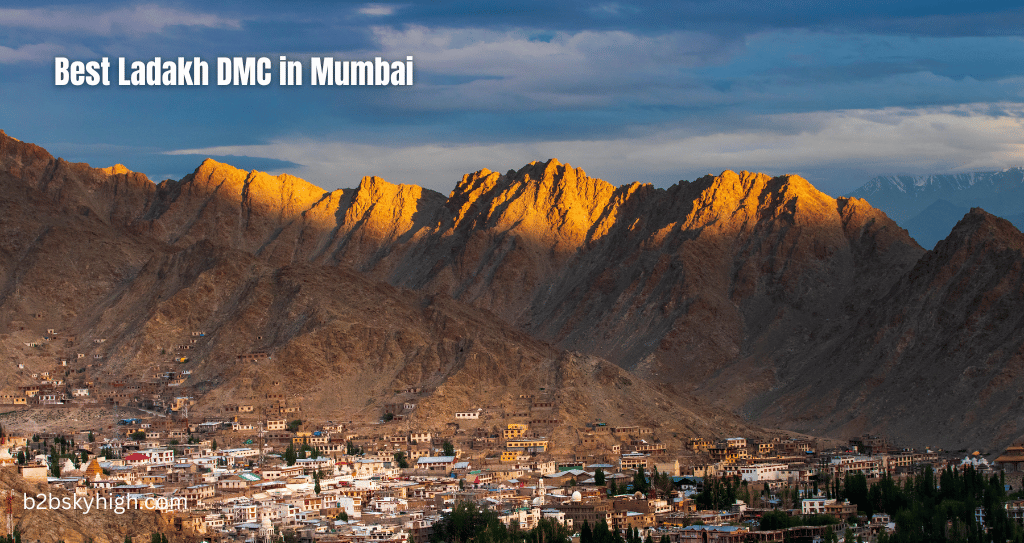
This guide is written for agents, tour operators and corporate organizers who sell Ladakh and want to know what a dependable ground partner looks like, what the net rates should be, how much margin the product carries, and how the standard 6N/7D Leh-Nubra-Pangong circuit runs day by day. It also covers the parts that trip up Maharashtra groups specifically: Jain and pure vegetarian meals, acclimatization, and flight routing.
What Makes a Reliable Ladakh DMC for Mumbai Travel Agents?
Many suppliers list “Ladakh packages” in their rate sheets. Far fewer control what happens after the guest lands at Kushok Bakula Rimpochee Airport (IXL). When you screen a Ladakh DMC, look at three things.
Direct contracting versus middleman brokering
A broker sends your request to a hotel or camp, adds a margin, and passes the confirmation back. That adds a layer to your cost, and it also slows every change: room swaps, extra nights, camp upgrades, and last-minute reissues.
A direct-contracting DMC holds allotments and negotiated rates with the property itself. The practical differences for you:
- Rate stability. Fewer hands between you and the property means fewer surprise revisions in peak months (June to September).
- Inventory certainty. Rooms at good camps in Nubra and Pangong sell out early. A DMC with direct allotments can confirm; a broker can only request.
- Faster problem resolution. If a camp overbooks or a geyser fails, the DMC can call the property owner, not another intermediary.
Ask any prospective partner which properties they contract directly in Leh, Nubra Valley, Pangong Tso and Hanle, and ask to see the category-wise list. Vague answers are informative.
On-ground presence in Leh, not just a sales office
A polished website and a sales desk in a metro do not help you at 6 a.m. in Leh when a guest has a headache and a vehicle has not arrived. Check that the DMC has:
- a physical operations office in Leh with staff who can reach hotels and drivers within minutes,
- its own coordinators, not freelance contacts, handling arrivals and departures,
- a named escalation contact reachable around the clock.
Transport union compliance and vehicle reliability on high passes
Ladakh’s taxi system is regulated by the Leh Taxi Union and the Ladakh Autonomous Hill Development Council (LAHDC). Local taxis operate on fixed point-to-point tariffs, and outside-state vehicles face restrictions on local sightseeing. A DMC that bypasses these rules may quote a lower price, but the risk lands on your guests: vehicles stopped or blocked, drivers refused service at certain points, and disputes at the roadside.
For the standard circuit, the expected fleet is non-AC Scorpio, Xylo or Innova. Air conditioning is irrelevant at altitude; what matters is drivers experienced on Khardung La (17,582 ft) and Chang La (17,590 ft), vehicles serviced for steep gradients, and a driver who understands that guests need to stop and rest when they feel unwell.
Top Operational Challenges for Mumbai Agents and How a Ground Operator Should Solve Them
Challenge 1: AMS and acclimatization risk
Leh sits at roughly 11,500 ft. Guests flying in from Mumbai sea level go from near-zero altitude to that height in under two hours. Acute Mountain Sickness (headache, nausea, breathlessness, disturbed sleep) is common on Day 1 and Day 2, especially among guests who ignore the rest advice.
What the operator should provide:
- A mandatory rest schedule for Day 1 and a light Day 2, with no high pass before the third day.
- Oxygen cylinders carried in vehicles, not kept in a store room.
- A doctor-on-call arrangement available 24/7, with the coordinator briefed to escalate early rather than wait.
- Clear guidance sent to you before travel, so you can pass it on to guests in writing.
Sky High Tourism builds Day 1 and Day 2 acclimatization into every circuit by default, supplies complimentary oxygen cylinders in vehicles, and keeps a doctor on call round the clock. The rest days are structured into the itinerary rather than offered as optional extras, which protects both the guest and your reputation.
Challenge 2: Pure vegetarian and Jain meals
For groups from Mumbai, Gujarat and Rajasthan communities, food is often the deciding factor. Standard mountain camps run non-vegetarian kitchens and treat vegetarian as “no meat on the plate.” That is not acceptable for Jain families or strict vegetarians.
What the operator should provide:
- Dedicated Indian vegetarian chefs at partner camps in Nubra and Pangong, where restaurant options are limited.
- Separate utensils and cooking surfaces for vegetarian and Jain guests.
- Jain meals prepared without root vegetables (onion, garlic, potato and similar), confirmed in writing at the time of booking.
Sky High Tourism coordinates pure vegetarian and Jain meals across its camp network. Send dietary requirements with the booking, not on arrival, so the kitchen at each property can prepare.
Challenge 3: Inner Line Permits and restricted area approvals
Areas such as Nubra Valley, Turtuk, Pangong Tso, Chushul and Hanle require permits for travel. Delays here cost you a day of the itinerary.
What the operator should provide:
- Online and offline ILP processing handled by the DMC.
- Clearance for Hanle, Turtuk, Chushul and Pangong Tso within about two hours of the guest’s arrival, provided documents are sent in advance.
- A checklist of what you must send (ID copies, vehicle and route details) with a clear cutoff time.
Send scanned ID documents at least 48 hours before arrival. Blurry copies and mismatched names are the most common cause of delay.
Challenge 4: Client bypass fear
Most agents have lost a client to a supplier who sold directly. A serious DMC treats this as a contractual matter.
What the operator should provide:
- 100% white-label vouchers issued under your agency’s brand.
- Unbranded vehicles and no promotional material handed to your guests.
- A written non-disclosure and non-solicitation commitment.
Sky High Tourism issues white-label vouchers under the agent’s name and operates on a strict non-disclosure basis with guests it handles on your behalf.
Challenge 5: Flight delays and sudden weather disruption
Flights into Leh are among the most weather-sensitive in the country. Morning fog, afternoon winds and passes closed by snow or landslides can all disrupt a plan.
What the operator should provide:
- Immediate itinerary rerouting when a flight is cancelled or a road closes.
- Hotel adjustment support with the properties, so that a one-day delay does not mean a full penalty on the entire trip.
- Proactive communication to you first, so you can inform the guest before they call in a panic.
Sky High Tourism handles rerouting and hotel adjustments on the ground, working with its contracted properties to avoid heavy cancellation penalties when disruption is beyond the guest’s control.
B2B Net Rate and Agent Margin Comparison Matrix
The rates below are indicative land-only, twin-sharing rates for the standard 6N/7D Leh-Nubra-Pangong circuit. They exclude flights. The RRP column assumes the agent adds a markup of 20% to 30% on the net rate. Final rates depend on travel dates, group size, vehicle type and property availability, so treat the table as a planning reference and request a dated quote for actual bookings.
| Category | B2B Net Rate (per pax, INR) | B2B Net Rate (USD, approx.) | Recommended Retail Price (20%–30% markup) | Agent Margin per pax |
|---|---|---|---|---|
| Deluxe / 3-Star (standard hotels, fixed camps) | ₹18,500 – ₹24,000 | $220 – $285 | ₹22,200 – ₹31,200 | ₹3,700 – ₹7,200 |
| Super Deluxe / 4-Star (premium hotels, luxury wooden cottages/camps) | ₹26,000 – ₹35,000 | $310 – $420 | ₹31,200 – ₹45,500 | ₹5,200 – ₹10,500 |
| Luxury / 5-Star (heritage hotels, premium glamping resorts) | ₹42,000 – ₹60,000 | $500 – $715 | ₹50,400 – ₹78,000 | ₹8,400 – ₹18,000 |
How to read this table:
- Margins are calculated as a markup on net cost. A 25% markup on a ₹30,000 net rate gives you ₹7,500 per pax and a selling price of ₹37,500.
- The luxury tier gives the highest absolute margin per pax, but a smaller buyer pool. The 4-Star tier is the volume sweet spot for most Mumbai family and small-group enquiries.
- On a group of 12 in the 4-Star tier at a mid-range net of ₹30,000, a 22% markup earns roughly ₹79,000 in total. Multiply that across a season and the value of a reliable partner becomes clear.
- Season matters. Peak months (mid-May to early September) sit at the upper end of each range; shoulder months (April, late September, October) sit lower.
Master 6N/7D Leh-Nubra-Pangong Itinerary for Mumbai Travelers

This is the standard operating sequence. It is written so you can lift it into your proposal. Night allocation: Leh (2), Nubra Valley (1), Pangong Tso (1), Leh (2).
Day 1: Arrival in Leh (IXL), rest and light evening
- Airport pickup and transfer to the hotel.
- Complete rest for acclimatization. No sightseeing until the afternoon.
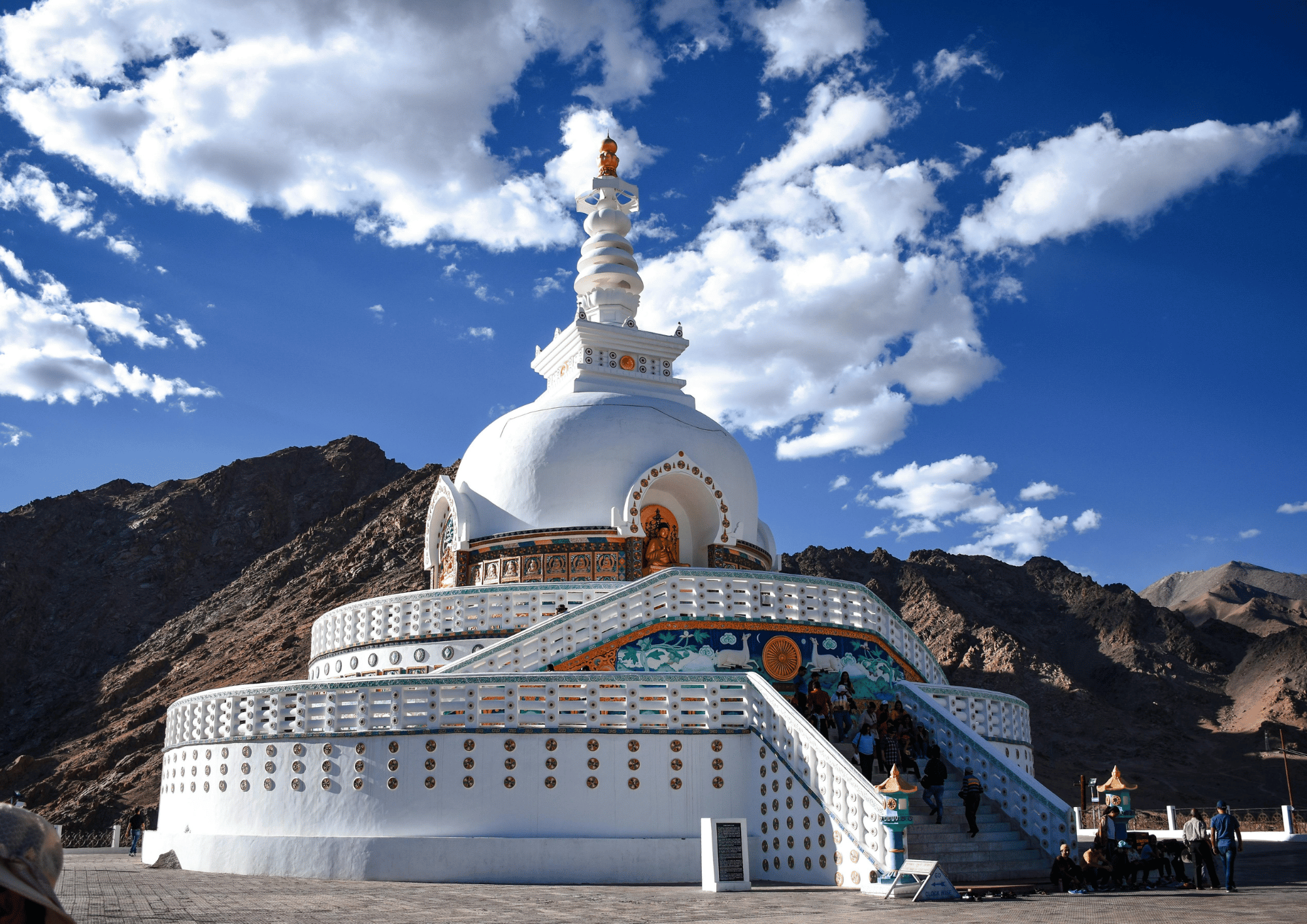
- Evening: a slow visit to Leh Market and Shanti Stupa. Keep it to a light walk; avoid the steps if a guest feels breathless.
- Overnight in Leh.
Day 2: Leh local sightseeing
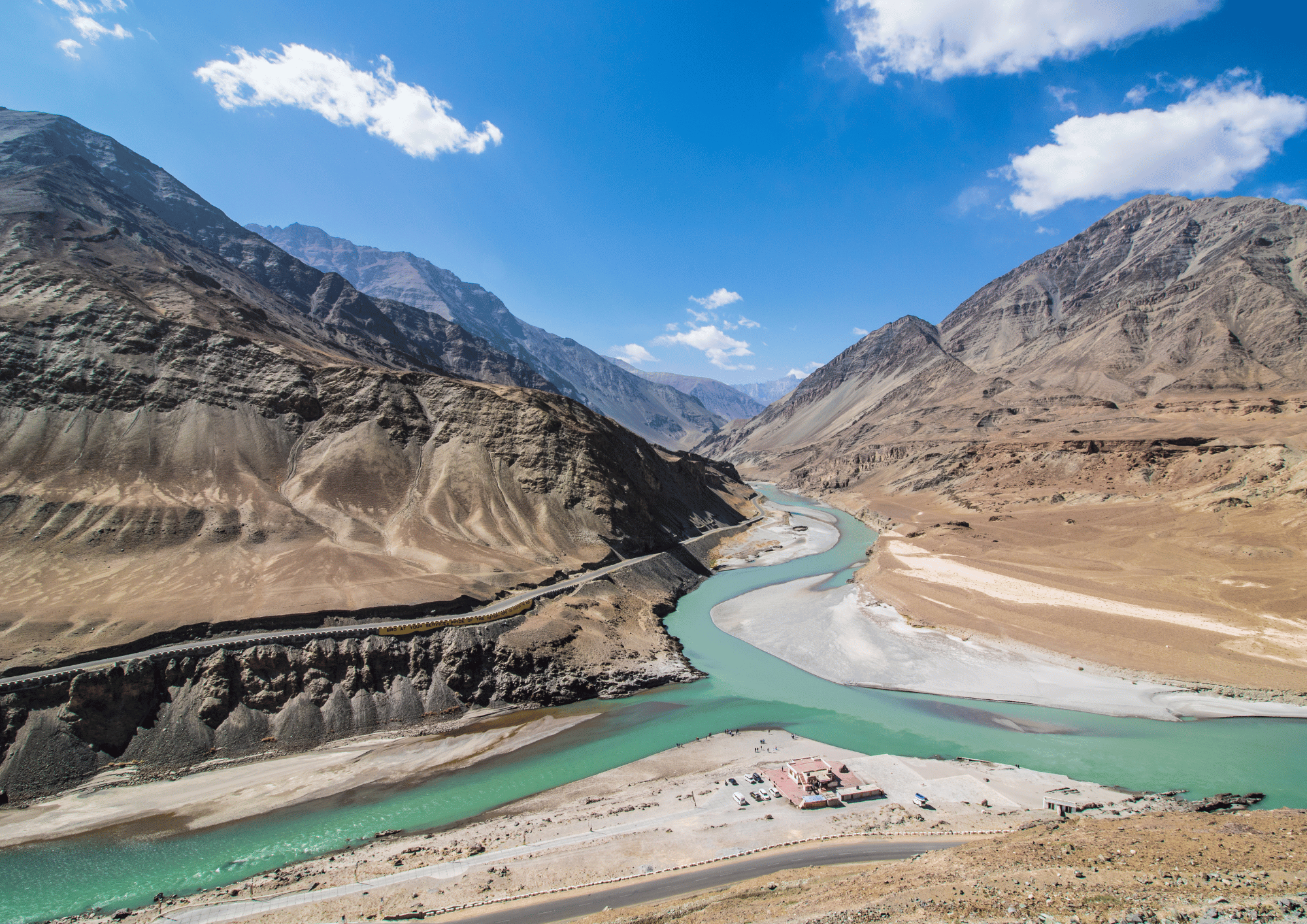
- Hall of Fame (the Indian Army museum), Magnetic Hill, the Confluence of the Indus and Zanskar rivers, and Gurudwara Pathar Sahib.
- These sites are at or slightly below Leh’s altitude, which keeps the day gentle for guests still adjusting.
- Overnight in Leh.
Day 3: Leh to Nubra Valley via Khardung La (17,582 ft)
- Drive over Khardung La, with a short stop at the top. Advise guests to keep it brief, roughly 15 to 20 minutes, because of thin air.
- Continue to Hunder. Double-humped Bactrian camel safari on the sand dunes in the evening (optional, paid locally).
- Overnight in a luxury camp or hotel in Nubra.
Day 4: Nubra to Pangong Tso via Shyok Valley (or Turtuk day trip)
- Standard routing: Drive from Nubra to Pangong Tso through the Shyok route. This is a long drive with scenic but rough stretches, so an early start is essential. Overnight at Pangong.
- Alternative: A day trip from Nubra to Turtuk, the Balti village near the India-Pakistan border. This is a cultural highlight but takes the entire day, and guests return to Nubra for a second night. Choosing this option means dropping Pangong from the 6N plan or extending the trip by one night, so agree on the choice at the proposal stage.
- Road conditions on the Shyok route change with the season, so the DMC should confirm the status before departure.
Day 5: Pangong Tso sunrise, drive to Leh via Chang La (17,590 ft)
- Sunrise over Pangong Tso, followed by breakfast at the camp.
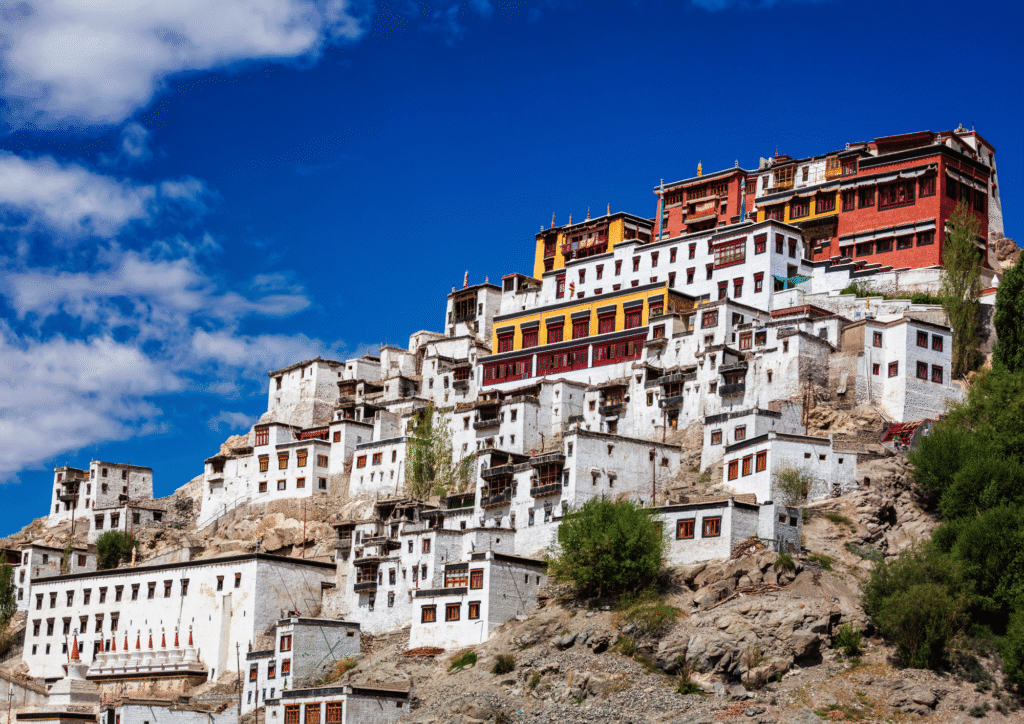
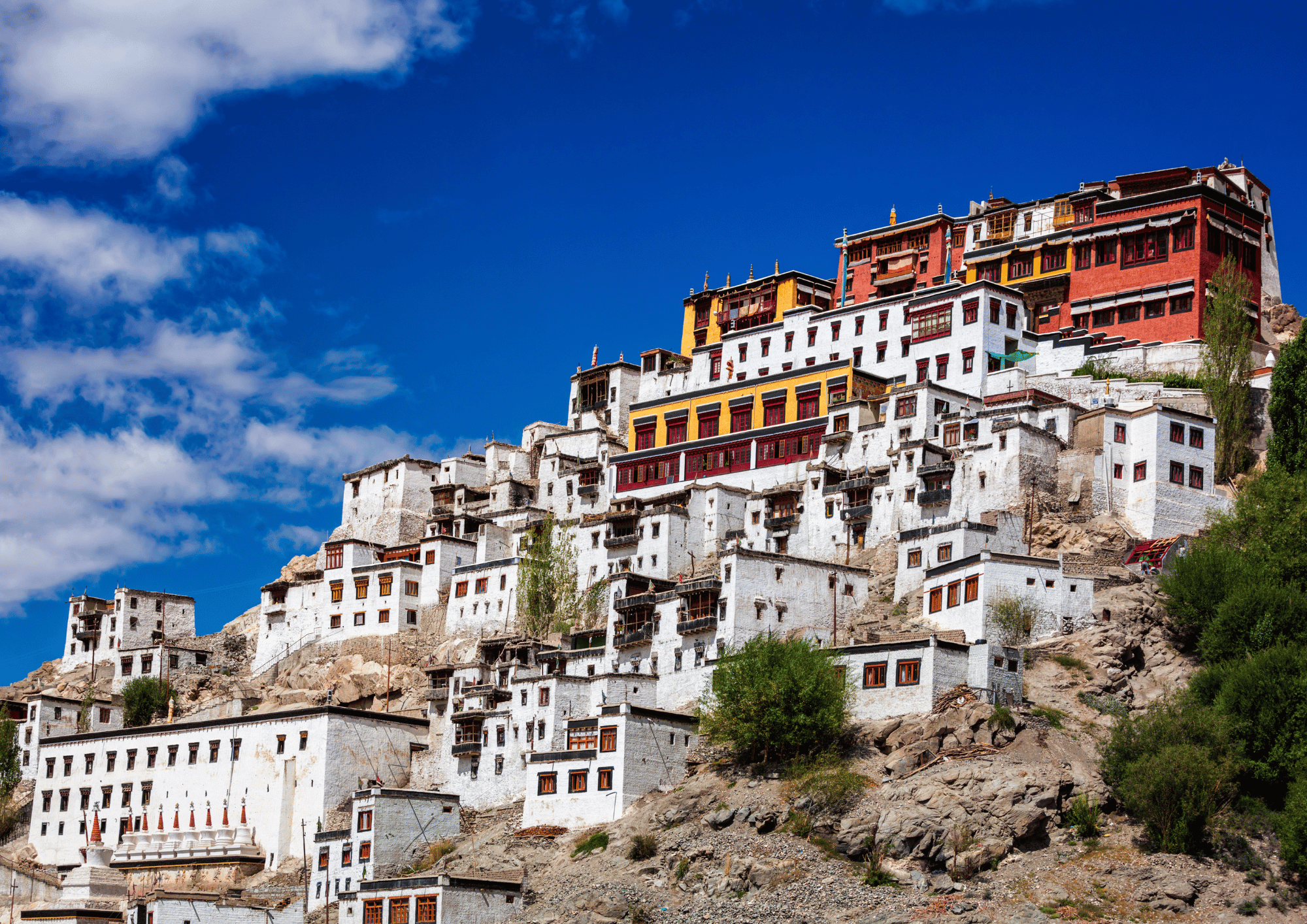
- Drive back to Leh via Chang La. En route, visit Thiksey Monastery and the school made famous by 3 Idiots, commonly called Rancho’s School.
- Overnight in Leh.
Day 6: Sham Valley day trip or optional Hanle extension
- Standard: a relaxed day in the Sham Valley (Alchi, Likir and nearby viewpoints), or a free day for shopping and rest.
- Optional: an extension to the Hanle Dark Sky Reserve. Hanle is a long drive from Leh, so it needs at least one extra night and is best sold as an add-on rather than squeezed into Day 6.
- Overnight in Leh.
Day 7: Departure
- Breakfast, check-out, and transfer to Leh airport for the flight to Mumbai (BOM) or Delhi (DEL).
- Advise guests to reach the airport with adequate buffer, and keep the last day free of commitments in case of flight reshuffles.
Inclusions and Exclusions Checklist for B2B Contracts
Put this list in every contract and every voucher so your end-client has no room for a dispute.
Inclusions (land)
- Accommodation on twin-sharing basis in the selected category, for all nights listed
- MAP meal plan (daily breakfast and dinner), with pure vegetarian or Jain meals as pre-booked
- All transfers and sightseeing in a non-AC Scorpio, Xylo or Innova, compliant with Leh Taxi Union and LAHDC rules
- Driver allowance, toll, parking and fuel
- Inner Line Permits for the routes in the itinerary
- Oxygen cylinder carried in the vehicle
- Airport pickup and drop
- Applicable taxes as quoted
Exclusions
- Airfare or train fare to and from Leh
- Double-humped camel ride at Hunder
- Monastery, museum and site entry fees
- Personal expenses such as laundry, phone calls, and additional beverages
- Tips for drivers and staff
- Travel and medical insurance
- Any cost arising from road closures, flight cancellations or natural events beyond the operator’s control
- Anything not mentioned under inclusions
State clearly in your own paperwork that the camel ride and entry fees are payable on the ground. Guests are less likely to complain about a cost they were told about upfront.
Specialized Logistics for Mumbai and Maharashtra Travel Groups
Flight connections: BOM to IXL
Direct Mumbai-Leh flights have operated on a limited, seasonal basis in the past, but they are not reliable inventory to build a product around. Most Mumbai groups fly via Delhi, connecting to a Delhi-Leh morning flight. Plan for this:
- Book the Mumbai-Delhi leg early enough to make a comfortable connection. A tight layover is a risk when Leh flights are weather-sensitive.
- Leh flights are usually morning departures, so a night stay in Delhi before the Leh leg is a safer option for groups with senior members or children.
- Always verify the current flight schedule and operators before quoting, since seasonal direct services change from year to year.
- Keep the return flight flexible if possible, or advise guests to avoid tight onward connections on the same day.
High-altitude health checklist for guests
Send this to guests along with the booking confirmation:
- Consult a doctor before travel, especially guests with heart, lung, blood pressure or diabetes conditions, and pregnant women.
- Carry personal medication in sufficient quantity, plus a prescription copy.
- Drink plenty of water, avoid alcohol and smoking on the first two days, and skip heavy meals.
- Do not rush on Day 1. Stay warm, and avoid strenuous walks.
- Tell the driver or coordinator immediately if a headache, dizziness or nausea becomes severe. Descending is often the quickest remedy, and the coordinator should make that call without hesitation.
- Carry warm layers, sunscreen, sunglasses and lip balm. UV exposure at altitude is intense.
Catering for Jain and vegetarian groups
- Collect meal preferences per guest at the time of booking, not at check-in.
- For larger groups, request a menu confirmation from the camps at Nubra and Pangong a week before arrival.
- Pack dry snacks for long drives, since roadside options are limited and rarely suit Jain requirements.
- Assign a lead guest or group coordinator to pass on dietary changes so that the DMC gets one consolidated update.
Ladakh Bike Adventure
3* Hotel • Activities • Transport (Minimum 2 Pax)
USD 1XX
PP on Double Sharing
Leh Ladakh Bike Trip
3* Hotel • Activities • Transport (Minimum 2 Pax)
USD 1XX
PP on Double Sharing
Ladakh Himalayan Escape
3* Hotel • Activities • Transport (Minimum 2 Pax)
USD 2XX
PP on Double Sharing
Leh Ladakh Explorer
3* Hotel • Activities • Transport (Minimum 2 Pax)
USD 2XX
PP on Double Sharing
Why Partner with Sky High Tourism as Your Ladakh Ground DMC
Sky High Tourism is a B2B-only Ladakh destination management company and direct ground operator. It does not sell to the public, which means it does not compete with the agents it serves. What that gives you in practice:
- Direct ground control. Contracts with hotels and luxury camps across Leh, Nubra Valley, Pangong Tso and Hanle.
- Local office in Leh. Operations staff on the ground, not a remote booking desk.
- Fast quotes. Quote turnaround in under 15 minutes for standard enquiries, which matters when a client is comparing three agents at once.
- Compliance. Full compliance with Leh Taxi Union regulations, so vehicles run without local friction.
- Safety systems. 24/7 medical and emergency support, with oxygen cylinders and a set acclimatization protocol.
- Dietary reliability. Pure vegetarian and Jain meal coordination for the groups that matter most in your market.
- White-label delivery. Vouchers under your brand, with no direct contact with your client.
- Group handling. Customized itineraries for families, corporate groups and MICE programs.
Agents who want to see the current offering can review the Ladakh program at b2bskyhigh.com/ladakh and request rates for their travel dates.
High-Margin Upsell Opportunities for Travel Agents
The base package sets the price. The add-ons are where a lot of your margin comes from.
- Hanle Dark Sky Reserve and astro-tourism. Sell it as a night or two extension near the Hanle Observatory. Stargazing sessions appeal to families, photographers and corporate incentive groups. Higher-priced and lower-volume, but strong per-pax value.
- River rafting at Sangam (Zanskar River). A half-day activity from Leh, easy to add to Day 6. Best sold to younger groups and friends’ trips during the summer months.
- Motorbike and ATV rentals in Nubra. A quick upgrade for guests who want a more active day around Hunder. Sell with clear safety and insurance terms.
- Private glamping upgrades. Moving guests from a standard fixed camp to a premium glamping resort at Nubra or Pangong is one of the easiest ways to push a 3-Star buyer into the 4-Star or Luxury bracket.
- Private vehicle and photographer add-ons. Small in isolation, but they raise the average booking value, particularly for honeymoon and anniversary travel.
Present upsells at the proposal stage, not after the booking. Guests are far more receptive when the choice appears as part of the plan.
Frequently Asked Questions for Travel Agents
1. What permits do Indian guests need, and what about foreign nationals?
Indian nationals need Inner Line Permits for areas such as Nubra, Pangong Tso, Turtuk and Hanle. Foreign nationals require Protected Area Permits for the same restricted zones, and these usually come with group and registered-agent conditions. Rules are revised from time to time, so ask the DMC to confirm current requirements for the guest’s nationality before you sell.
2. Is there an age limit for travel to high altitude?
There is no fixed legal age limit, but suitability depends on health more than age. Very young children and senior citizens, and anyone with heart, lung or blood pressure problems, should get a doctor’s clearance. Build the extra rest days into the plan for these groups.
3. Can outside-state vehicles do sightseeing in Ladakh?
Generally, no. The Leh Taxi Union restricts vehicles registered outside Ladakh from local sightseeing and point-to-point runs, and local taxis handle these. A compliant DMC arranges local vehicles from the start, which avoids blockages and conflicts for guests who arrive with their own transport.
4. What happens if a road closes or a flight is cancelled?
The DMC should reroute the itinerary, reshuffle hotel nights where possible, and update you promptly. Costs from events beyond the operator’s control, such as extra nights or changed transport, may be payable by the guest depending on the situation, so make sure your contract states this clearly. Ask the DMC about its cancellation and adjustment policy for weather and road disruption before you confirm.
5. Which months are best for the Leh-Nubra-Pangong circuit?
Roughly May to September is the main season, when the passes are reliably open. Early season and late season can bring snow, road delays and colder nights at Pangong. Rates and availability change across these windows.
6. How do you handle guests who develop AMS?
The first step is rest, hydration and oxygen from the vehicle cylinder. If symptoms do not improve, the doctor on call examines the guest, and descent to a lower altitude may be advised. The coordinator should log the event and keep you informed.
7. Are Jain meals available at Pangong and Nubra?
Yes, with advance notice. Dedicated vegetarian chefs and separate utensils are arranged at partner camps, and Jain meals are prepared without root vegetables. Send the requirement at booking.
8. Do you offer group and MICE rates?
Group rates depend on size, dates and category. Request a customized quote with your group size, preferred hotel tier and travel window.
Conclusion
A Ladakh booking succeeds or fails on the ground. Direct hotel contracts, a real presence in Leh, compliance with local transport rules, and a serious approach to altitude health and Jain and vegetarian catering are the things that separate a smooth season from a stressful one. The net rate matters, but a cheap quote from a weak operator costs more once you handle the complaints.
For agents in Mumbai, Navi Mumbai, Thane and across Maharashtra, the 6N/7D Leh-Nubra-Pangong circuit remains one of the most saleable trips in the domestic range, with margins of roughly 20% to 30% when priced sensibly. If you would like seasonal tariff sheets, register with Sky High Tourism at b2bskyhigh.com/ladakh and request current B2B rates for your travel dates.